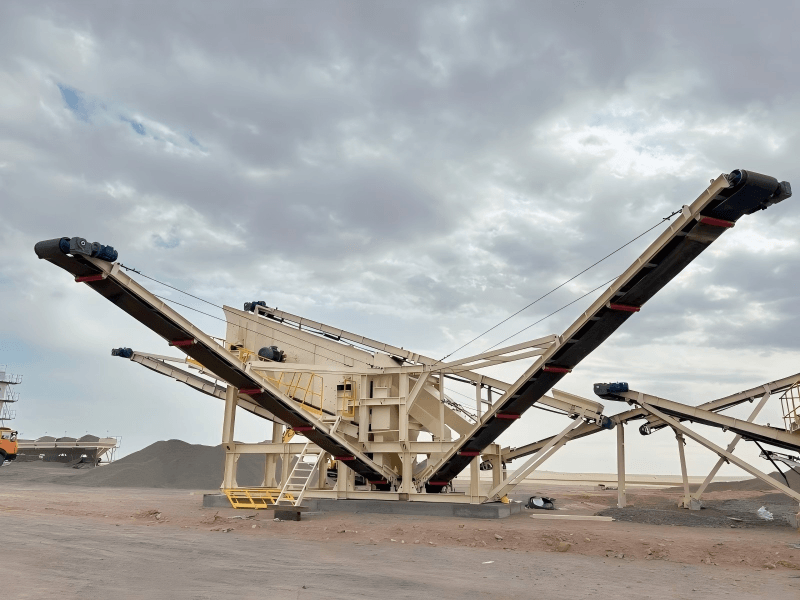
Starting a small-scale gold processing plant is one of the most practical ways to enter the gold mining industry. Compared with large mining projects, a small plant requires less investment, shorter construction time, and lower operating costs.
However, many investors make the same mistake:
They buy equipment before fully understanding the ore.
As a result, they often face low recovery rates, excessive operating costs, and expensive equipment modifications.
The good news is that a well-designed small gold plant can achieve excellent recovery while keeping investment under control.
This guide explains the key steps, equipment choices, and practical considerations for setting up a profitable small-scale gold processing plant.
What Is Considered a Small Gold Processing Plant?
Most small-scale gold plants process:
| Plant Size | Capacity |
|---|---|
| Small Pilot Plant | 1-10 TPD |
| Small Commercial Plant | 10-50 TPD |
| Medium Small-Scale Plant | 50-100 TPD |
(TPD = Tons Per Day)
These plants are commonly used by:
Small mining companies
Artisanal mining cooperatives
Exploration projects
New mining investors
Remote mining operations
The exact capacity depends on ore reserves, budget, and production goals.
Need Help Evaluating Your Gold Project?
Send us:
✓ Ore Sample Information
✓ Capacity Requirement
✓ Gold Grade
✓ Ore Type
Our engineers can recommend a suitable processing flow and equipment list.
Step 1: Understand Your Gold Ore Before Buying Equipment
This is the most important step. Gold ore sampling and laboratory testing before plant design
Before selecting any equipment, determine:
| Key Question | Why It Matters |
|---|---|
| Is the gold free-milling? | Affects recovery method |
| Is the gold coarse or fine? | Determines equipment selection |
| Does the ore contain sulfides? | May require flotation |
| Is there clay content? | Impacts washing requirements |
| What is the gold grade? | Influences project economics |
Many failed gold projects start because equipment was purchased before laboratory testing.
A simple metallurgical test can save thousands of dollars in unnecessary equipment costs.
Step 2: Choose the Right Processing Method
Not all gold ores require the same process.
The best flow depends on the mineral characteristics.
Common Gold Processing Methods
| Ore Type | Recommended Process |
|---|---|
| Free Gold Ore | Gravity Separation |
| Oxide Gold Ore | Gravity + Cyanidation |
| Sulfide Gold Ore | Flotation + Recovery |
| Alluvial Gold | Washing + Gravity Separation |
| Complex Gold Ore | Combined Process |
For most small-scale projects, gravity separation is the preferred starting point because it is simple, cost-effective, and environmentally friendly.
Step 3: Select the Essential Equipment
A small gold processing plant does not require dozens of machines.
The goal is to keep the process simple and efficient.