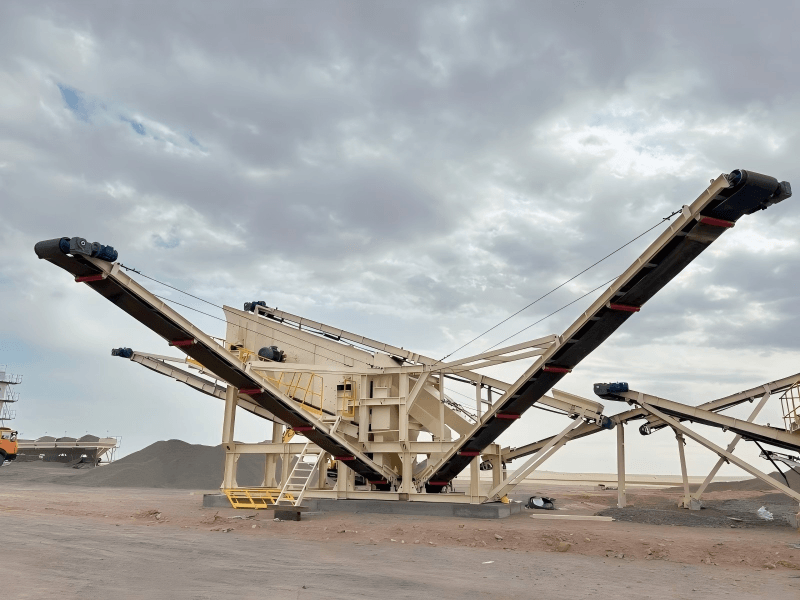
A mobile crusher plant in Colombia must do more than move between job sites. It must match the raw material, produce the required aggregate sizes, fit local transport conditions, and maintain stable output in demanding quarry or road projects.
River stone, limestone, granite, recycled concrete, and mixed quarry rock require different crushing methods. As a result, selecting a mobile crusher only by its advertised capacity can lead to excessive wear, poor aggregate shape, or an unbalanced production line.
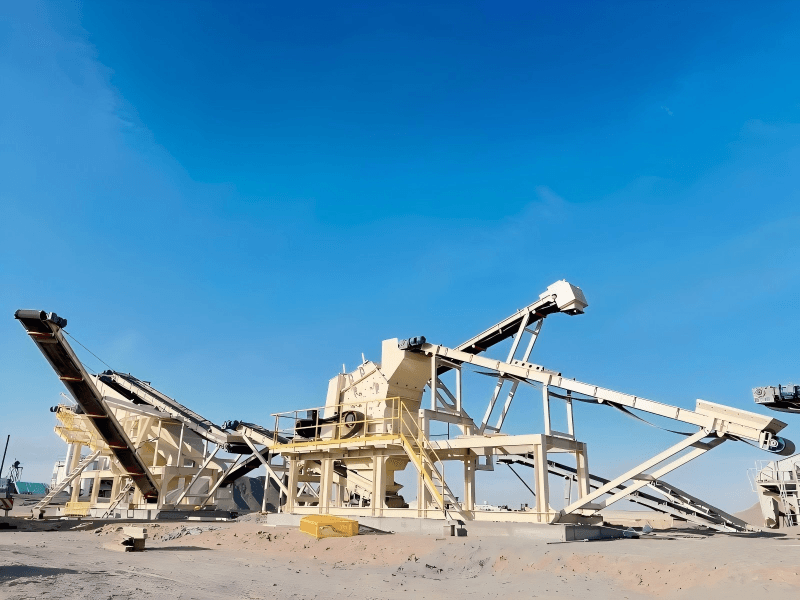
This guide explains how to configure a 50–200 TPH mobile crushing plant for Colombian road construction, quarrying, aggregate production, and recycling projects.
Why Does Mobile Crushing Fit Colombia’s Project Conditions?
A fixed crushing plant remains suitable for a long-term quarry with stable reserves and continuous production. However, many road contractors, temporary quarry operators, and aggregate suppliers need greater flexibility.
A mobile crusher plant places feeding, crushing, conveying, and sometimes screening equipment on a movable chassis. It can be installed closer to the quarry face or raw material stockpile.
This arrangement can reduce the distance that dump trucks carry unprocessed rock. It also avoids some of the foundations and permanent structures required by a conventional stationary plant.
Mobile equipment is particularly useful when:
A contractor operates at several locations.
The road project advances along a long route.
Quarry reserves are divided across separate working areas.
Production must begin before permanent civil works are completed.
Construction waste needs to be processed near a demolition site.
The plant may be relocated after one project is completed.
Mobility does not automatically mean lower cost. A poorly selected mobile crusher may consume more fuel, require frequent wear-part replacement, or create a bottleneck at the screen.
Therefore, the decision should begin with material testing, feed size, finished aggregate specifications, annual operating hours, and expected relocation frequency.